
Back & Neck Pain: What Active Adults Should Know Before Cortisone, Pain Meds, or Surgery

You used to drive two hours without thinking about it. Now you're shifting in the seat before the first hour is up, bracing yourself for the moment you have to stand up and walk.
You've stopped saying yes to the weekend trip, the long walk, the flight you didn't book. Not because you didn't want to go, but because you weren't sure your body would let you enjoy it.
These are signs that something specific is driving your pain and it can be found.
Download this guide to understand why nothing has worked so far, what's actually behind chronic back and neck pain, and what a different kind of evaluation can change. The earlier you find the real driver of chronic pain, the more options you have.
WHAT MOST PATIENTS WERE NEVER TOLD ABOUT CHRONIC PAIN
This Essential Guide Will Show You…

WHY treatments like cortisone, physical therapy, and rest often help temporarily but never keep the pain away permenantly... and what's missing from the approach
HOW to recognize the signs that your pain has specific, identifiable drivers (that no one has looked for yet)
WHY back & neck pain is almost never caused by just one thing and why treating a single finding on your MRI is how patients end up on the "treatment treadmill"
WHAT a diagnostic-first evaluation actually looks like and why it's different from anything you've likely experienced before
WHY every month of delay narrows your therapeutic options and how to take the first step toward a real answer
Meet Dr. Ilana Etelzon, MD

Dr. Ilana Etelzon is a double board-certified physician in pain medicine and physical medicine & rehabilitation, and the lead practitioner at Pain Doctors Medical in New York & New Jersey. She is also a certified Regenexx provider, trained in advanced interventional orthopedics and image-guided procedures for joints, tendons, and spine conditions. Her approach starts where most evaluations stop – identifying the specific drivers behind chronic pain before recommending any treatment.
Her methodology "Reveal, Repair, Restore & Renew" is built on a principle most patients have never heard:
Your body is already trying to heal, and something identifiable is preventing it. Through comprehensive evaluation, advanced imaging, and an assessment that looks beyond the body part that hurts, Dr. Etelzon identifies your specific drivers of chronic pain, then matches precise, image-guided options to what the evaluation actually shows.
Are You Dealing With Any Of These?

Neck & Back Pain

Radiating Leg Pain

Neck Pain & Headaches

SI Joint Dysfunction

Failed Epidurals & Injections
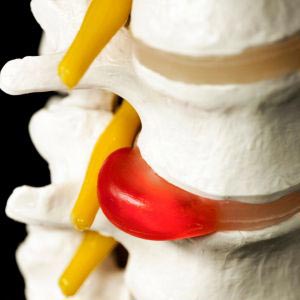
Disc Herniation

Spinal Stenosis

Sciatica
HERE'S WHAT MOST PEOPLE DON'T KNOW...
3 Surprising Facts About Chronic Back/Neck Pain

"My MRI Shows The Problem..."
It may show a finding but is it the one driving your pain?
Research consistently shows that a significant number of people with no pain at all have disc bulges, herniations, and degenerative changes on imaging. And patients whose imaging looks mild can barely get through the day. The MRI summary is a starting point, not the full story, which is why we read the images with a specific set of diagnostic questions most providers never ask.

"I've Already Tried Everything…"
You May Have Tried The "Right" Treatments For The Wrong Driver.
Physical therapy that focused on core strength when the real problem was a damaged disc. Epidurals that calmed the nerve when the underlying issue was SI joint instability. Each treatment was reasonable in isolation, but none was matched to the actual source. That's not failure. That's a diagnostic gap and it changes the entire conversation.

"It's Probably Just My Age..."
"Chronic pain has specific drivers. Age is not one of them."
"Degenerative disc disease" sounds permanent and progressive. But it doesn't tell you which disc is generating pain, what kind of damage is present, or whether the tissue can still heal. Those distinctions determine the plan. When the actual drivers are found and they're often multiple, compounding – options exist that most patients were never told about.